
 Most people don’t think about their feet when their back hurts. But here’s something worth considering — your feet are the foundation of your entire skeletal system. When that foundation shifts, everything above it can shift too. Flat feet, also known as fallen arches or pes planus, are one of the most overlooked causes of spinal misalignment and subluxations. At Desoto Upper Cervical in Southaven, MS, Dr. David Hall and Dr. Troy Reistroffer see this connection regularly — and understanding it could be the key to finally resolving pain you’ve been dealing with for months or even years.
Table of Contents
What Are Flat Feet?
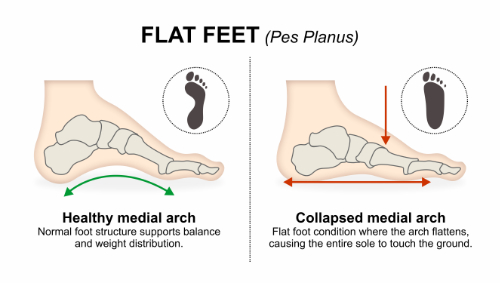
Flat feet occur when the arches of your feet collapse, allowing the entire sole to make contact with the ground. Some people are born with flat feet, while others develop fallen arches over time due to aging, weight gain, injury, or prolonged standing on hard surfaces. The arch of your foot is designed to absorb shock and distribute your body weight evenly as you walk, run, and stand. When that arch flattens, it changes how force travels up through your ankles, knees, hips, and ultimately your spine.
Common signs of flat feet include feet that tire easily, pain or swelling along the inner side of the foot, difficulty standing on your toes, and noticeable inward rolling of the ankle — a movement pattern known as overpronation.
What Is a Spinal Subluxation?
A spinal subluxation is a partial misalignment of one or more vertebrae in the spine. When a vertebra shifts out of its normal position, it can place pressure on surrounding nerves, muscles, and ligaments. This nerve interference can lead to pain, reduced range of motion, muscle tension, and even dysfunction in organs and systems that rely on clear nerve signaling from the brain.
At Desoto Upper Cervical, Dr. Hall and Dr. Reistroffer specialize in detecting and correcting subluxations — particularly in the upper cervical spine — using precise Atlas Orthogonal and Orthospinology techniques. But identifying what’s causing the subluxation in the first place is just as important as correcting it, and that’s where the feet come in.
The Biomechanical Chain: How Flat Feet Affect Your Spine
Your body functions as a kinetic chain. Every joint and muscle group is connected, and movement or misalignment at one level directly affects the levels above and below it. When your arches collapse, the chain reaction begins immediately.
Flat feet cause the ankles to roll inward, which forces the knees to rotate medially. This inward rotation of the lower extremities shifts the position of the pelvis, often creating an uneven foundation for the lumbar spine. Once the pelvis tilts or rotates, the vertebrae of the lower back compensate by shifting — and that compensation travels upward through the thoracic spine and into the cervical region. This is exactly why upper cervical misalignments can sometimes be traced all the way back down to the feet.
Think of it like building a house on an uneven slab of concrete. No matter how carefully you frame the walls, the structure will lean. Your spine works the same way. When your feet can’t provide a level foundation, your vertebrae are forced to compensate, and subluxations develop as a result.
Common Symptoms of Subluxations Caused by Flat Feet
Because the effects of flat feet travel through the entire body, the symptoms can show up in places that seem completely unrelated to your feet. Many patients at our Southaven clinic are surprised to learn that their chronic issues are rooted — literally — in a foot problem they never addressed.
Symptoms that may indicate your spinal subluxations are linked to flat feet include persistent lower back pain that doesn’t respond to traditional treatment, hip pain or tightness on one side, knee pain — especially on the inner side of the joint, uneven shoulder height or a head that tilts to one side, recurring headaches or neck stiffness, and fatigue or discomfort after standing or walking for short periods.
If you’ve been chasing pain from one area of your body to another without lasting relief, it may be time to look at the bigger picture — starting with your feet.
How Upper Cervical Chiropractic Care Addresses the Whole Picture
At Desoto Upper Cervical, Dr. David Hall and Dr. Troy Reistroffer don’t just look at where it hurts — they look at why it hurts. A comprehensive evaluation at our clinic includes a postural assessment, gait analysis, and detailed upper cervical examination to determine whether flat feet or other structural imbalances are contributing to spinal misalignment.
Using Atlas Orthogonal and Orthospinology techniques, our doctors deliver precise, gentle corrections to the upper cervical spine without any twisting, popping, or cracking. When the atlas (the top vertebra in your neck) is properly aligned, the rest of the spine has a much better chance of maintaining healthy positioning. Paired with supportive measures like custom orthotics or arch supports to restore proper foot mechanics, along with targeted stretching and strengthening exercises to rebuild arch stability, this approach addresses the problem from both ends of the kinetic chain.
The goal is not just to relieve symptoms but to correct the underlying structural imbalance so that subluxations stop recurring. When you restore the foundation — both at the feet and at the top of the spine — the rest of the structure can finally stabilize.
Can Orthotics Really Help Prevent Subluxations?
Custom orthotics are one of the most effective tools for managing flat feet and reducing the mechanical stress that leads to subluxations. Unlike generic drugstore insoles, custom orthotics are molded to the specific contours of your feet. They provide targeted arch support, correct overpronation, and help distribute your body weight more evenly.
When combined with regular upper cervical chiropractic adjustments, orthotics help your corrections hold longer because they address the root cause of the misalignment at the ground level. Many patients notice significant improvement in both foot comfort and spinal pain within just a few weeks of using properly fitted orthotics alongside their care plan.
Prevention Tips: Protecting Your Arches and Your Spine
Whether you already have flat feet or want to prevent fallen arches from developing, there are simple steps you can take every day to support your feet and protect your spine. Wear supportive footwear with adequate arch support — avoid flat shoes, flip-flops, and worn-out sneakers. Maintain a healthy body weight to reduce excessive stress on the arches. Strengthen your feet with exercises like towel scrunches, marble pickups, and calf raises. Stretch your calves, Achilles tendons, and plantar fascia regularly. Stand on softer surfaces when possible, and take breaks from prolonged standing. And most importantly, schedule regular chiropractic checkups at Desoto Upper Cervical to catch subluxations early before they become chronic problems.
Frequently Asked Questions
Can flat feet really cause back pain?
Yes. Flat feet change the alignment of your ankles, knees, and hips, which directly affects the position of your pelvis and spine. This chain reaction can lead to subluxations and chronic back pain that won’t resolve until the foot problem is addressed.
How do I know if my flat feet are causing my spinal issues?
Dr. Hall or Dr. Reistroffer can perform a comprehensive evaluation that includes a postural analysis, gait assessment, and spinal examination. If overpronation or arch collapse is present alongside subluxations, there’s a strong likelihood the two are connected.
Are custom orthotics better than store-bought insoles?
Custom orthotics are significantly more effective because they’re designed for your specific foot structure. Store-bought insoles provide generic cushioning but don’t correct the biomechanical imbalances that contribute to subluxations.
How long does it take to see improvement with upper cervical chiropractic care for flat feet?
Many patients begin to notice improvement within a few weeks of starting a care plan that combines upper cervical adjustments, orthotics, and corrective exercises. Long-term stability typically develops over several months as the body adapts to improved alignment.
Can children develop subluxations from flat feet?
Absolutely. Children with flat feet may develop postural imbalances and spinal misalignments early in life. Early chiropractic evaluation can help identify and correct these issues before they become more difficult to address in adulthood.
Do I need to wear orthotics forever?
It depends on the severity of your arch collapse. Some patients use orthotics long-term for ongoing support, while others may transition to less supportive insoles as their foot strength and alignment improve through corrective exercises and consistent chiropractic care.
Take the First Step Toward Better Alignment
If you’ve been struggling with back pain, hip discomfort, or recurring subluxations that just won’t stay corrected, the answer might be right under your feet. Flat feet are a common and treatable condition — but they won’t fix themselves, and the longer they go unaddressed, the more strain they place on your spine.
Don’t wait for the problem to get worse. Call Desoto Upper Cervical today at (662) 393-4848 to schedule a comprehensive evaluation. Dr. David Hall and Dr. Troy Reistroffer will assess your posture, your gait, and your spinal alignment to determine whether flat feet are contributing to your pain — and they’ll build a personalized care plan to help you get back on solid ground. You can also visit us at 1134 Church Rd W, Southaven, MS 38671, or learn more at desotouppercervical.com.
