
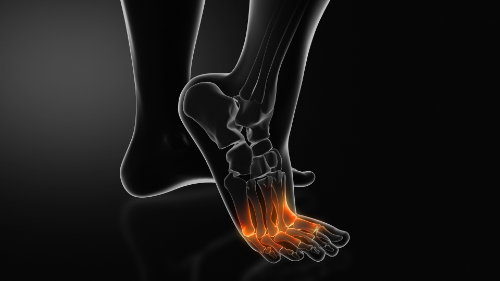
 If you’re dealing with tingling, numbness, burning pain, or weakness in your hands and feet, I want you to know that you’re not alone in this struggle. Peripheral neuropathy affects millions of Americans, and I understand how frustrating it can be when you feel like you’ve tried everything but nothing seems to help. Those constant pins and needles, the burning pain that keeps you awake at night, or the numbness that makes simple tasks feel impossible – these symptoms don’t have to control your life forever. At Desoto Upper Cervical in Southaven, MS, Dr. David Hall and Dr. Troy Reistroffer have helped countless patients find relief from peripheral neuropathy through specialized upper cervical chiropractic care that addresses the root causes rather than just masking the symptoms.
Table of Contents
Understanding Peripheral Neuropathy and Its Impact on Your Life
Let me explain peripheral neuropathy in a way that makes sense. Think of your peripheral nervous system as your body’s electrical wiring system – it carries important messages between your brain and spinal cord to every part of your body. When these peripheral nerves become damaged or start malfunctioning, they begin sending incorrect signals, creating those uncomfortable and often painful symptoms that you’re experiencing.
The most common type is diabetic neuropathy, which affects up to 70% of people with diabetes. High blood sugar levels over time can damage the tiny blood vessels that nourish your nerves, leading to progressive nerve dysfunction. But diabetes isn’t the only cause – peripheral neuropathy can result from vitamin deficiencies, autoimmune conditions, infections, exposure to toxins, or even certain medications.
What makes peripheral neuropathy particularly frustrating is how it typically starts. You might first notice a slight tingling in your toes or fingertips that you dismiss as temporary. Maybe your feet feel cold more often, or you experience occasional sharp, shooting pains. These early symptoms are easy to ignore, but peripheral neuropathy is often progressive – meaning it tends to get worse over time if the underlying causes aren’t addressed.
The symptoms can vary significantly from person to person. Some people experience primarily sensory symptoms like numbness, tingling, or burning pain. Others deal with motor symptoms such as muscle weakness, difficulty with fine motor tasks, or problems with balance and coordination. Many people experience a combination of both, which can significantly impact their quality of life and independence.
What’s particularly challenging about peripheral neuropathy is that conventional medicine often focuses on symptom management rather than addressing underlying causes. While medications can help reduce pain and discomfort, they don’t typically improve nerve function or address the factors that contributed to the nerve damage in the first place.
The Upper Cervical Connection to Peripheral Neuropathy
Here’s where things get really interesting, and it’s something most people don’t know about. At Desoto Upper Cervical, Dr. Hall and Dr. Reistroffer understand that your upper cervical spine – specifically the atlas (C1) and axis (C2) vertebrae at the very top of your neck – plays a crucial role in your overall nervous system function, including your peripheral nerves.
You might be wondering, “How can my neck affect my hands and feet?” It’s actually a fascinating connection. Your upper cervical spine houses and protects your brain stem, which is like the master control center for your entire nervous system. When the atlas and axis vertebrae become misaligned – what we call subluxations – they can interfere with normal nervous system function throughout your entire body.
Think of it like this: if there’s interference at the very top of your nervous system where your brain connects to your spinal cord, it can affect nerve communication all the way down to your hands and feet. This interference can worsen existing peripheral neuropathy symptoms or even contribute to their development in the first place.
Upper cervical misalignments can also affect blood flow throughout your body. Your brain stem controls many vital functions, including circulation. When this area isn’t functioning optimally due to spinal misalignment, it can reduce blood flow to your peripheral nerves. Since nerves need good circulation to stay healthy and heal, poor blood flow can worsen neuropathy symptoms.
Additionally, upper cervical subluxations can contribute to inflammation throughout your nervous system. Chronic inflammation is a major factor in nerve damage and dysfunction. By correcting these misalignments, we can often reduce systemic inflammation and create better conditions for nerve healing.
How Upper Cervical Care Specifically Addresses Neuropathy
At Desoto Upper Cervical, our approach to peripheral neuropathy is quite different from what you might have experienced elsewhere. Instead of treating your entire spine or focusing only on symptom management, we zero in on the most critical area – your upper cervical spine – using incredibly precise techniques that can have profound effects on your nervous system function.
Dr. Hall and Dr. Reistroffer use two advanced techniques called Atlas Orthogonal and Orthospinology. These aren’t your typical chiropractic adjustments with lots of twisting and popping. Instead, they’re gentle, precise corrections that focus specifically on restoring proper alignment to your upper cervical spine.
The Atlas Orthogonal technique uses precise measurements and very gentle pressure to guide your atlas vertebra back into its proper position. It’s like fine-tuning a precision instrument – we’re making very small, specific adjustments that can have dramatic effects on how your entire nervous system functions. Many patients are amazed that such a gentle correction can provide relief for symptoms in their hands and feet.
Orthospinology takes this precision even further. Using detailed X-ray analysis, Dr. Hall and Dr. Reistroffer can determine exactly how your upper cervical vertebrae are misaligned – down to fractions of degrees. This allows them to deliver corrections that are tailored specifically to your unique anatomy and misalignment pattern.
What’s really exciting about these techniques is that they work with your body’s natural healing abilities. We’re not trying to force anything or suppress symptoms with medications. Instead, we’re removing interference from your nervous system so your body can function the way it’s supposed to and begin its natural healing process.
The Science Behind Upper Cervical Care for Neuropathy
I know this might sound too good to be true, so let me explain the science behind why upper cervical care can be so effective for peripheral neuropathy. Research has shown that correcting upper cervical misalignments can improve blood flow, reduce inflammation, and optimize nervous system function – all crucial factors for nerve health and healing.
When your upper cervical spine is properly aligned, it enhances communication between your brain and the rest of your body. This improved communication can help your nervous system better coordinate healing processes and reduce the abnormal nerve signals that cause neuropathy symptoms.
One of the key mechanisms is the improvement in blood flow that occurs with upper cervical correction. Enhanced circulation delivers more oxygen and nutrients to your peripheral nerves while helping remove inflammatory substances that can worsen nerve dysfunction. This improved environment supports your body’s natural nerve healing processes.
Upper cervical care also appears to positively influence your autonomic nervous system, which controls functions like circulation, digestion, and healing. By optimizing autonomic function, we can create better conditions for nerve regeneration and symptom improvement.
The neuroplasticity of your nervous system – its ability to adapt and reorganize – also plays a role in recovery from peripheral neuropathy. Upper cervical corrections can help stimulate this adaptive capacity, potentially helping your nervous system develop new pathways around damaged areas.
What to Expect During Your Neuropathy Treatment at Desoto Upper Cervical
I want you to know exactly what happens when you visit our Southaven clinic for peripheral neuropathy care, because understanding the process can help you feel more comfortable and confident about your treatment.
Your first visit with Dr. Hall or Dr. Reistroffer starts with them really listening to your story. They’ll want to understand when your neuropathy symptoms started, what makes them better or worse, how they affect your daily life, and what treatments you’ve already tried. This isn’t just small talk – understanding your complete picture helps them determine how upper cervical misalignments might be contributing to your symptoms.
The examination is thorough but comfortable. They’ll check your posture, assess how your head sits on your neck, and perform specific neurological tests to evaluate your upper cervical alignment and nervous system function. If necessary, they’ll take precise X-rays that give them incredibly detailed information about your spinal alignment.
One thing that sets upper cervical care apart is how specific everything is. Rather than general adjustments, every correction is based on precise measurements and calculations. This means your treatment is completely personalized to your unique anatomy and misalignment pattern.
The adjustments themselves are surprisingly gentle. You might feel some pressure or slight movement, but many patients are amazed at how subtle the correction feels. Yet despite being gentle, these adjustments can provide profound relief because they’re addressing the root cause of nervous system interference.
Your Recovery Journey: What You Can Realistically Expect
I want to be completely honest with you about what to expect, because recovery from peripheral neuropathy is often a gradual process, and it’s important to have realistic expectations about timelines and outcomes.
Many patients notice their first improvements in pain levels and sleep quality within the first few weeks of treatment. You might find that the burning pain becomes less intense, or that you’re able to sleep more comfortably through the night. These early improvements can be incredibly encouraging and often motivate patients to continue with their treatment plan.
Improvements in numbness and tingling sensations typically take longer – often several months of consistent treatment. Some patients describe the sensation returning as “waking up” – areas that felt completely numb might start with tingling sensations before normal feeling gradually returns.
Motor function improvements, such as better balance, coordination, and strength, can take the longest to develop but are often the most life-changing. Patients might find they can walk more confidently, perform fine motor tasks more easily, or feel more stable on their feet.
During the initial phase of your care, you might need to visit our office 2-3 times per week. As your nervous system begins to function better and your symptoms improve, visits typically become less frequent. The goal is always to get you feeling better and then help you maintain that improvement with as little ongoing care as possible.
Supporting Your Healing Beyond the Office
While the upper cervical corrections are the cornerstone of your care at Desoto Upper Cervical, Dr. Hall and Dr. Reistroffer understand that supporting your body’s healing often involves other factors too.
They might recommend specific exercises or activities that support your upper cervical alignment and overall nervous system health. These aren’t generic recommendations – they’re carefully chosen based on your specific condition and needs.
You’ll also get valuable education about lifestyle factors that can affect your neuropathy. Things like stress management, proper sleep positioning, and even certain nutritional choices can impact nerve health and your body’s ability to heal.
If your neuropathy is related to diabetes, maintaining good blood sugar control remains crucial, and we’ll support your medical management by providing treatments that can improve circulation and reduce inflammation. We work as part of your healthcare team, never replacing your medical care but complementing it with our specialized approach.
Real-Life Impact: How Upper Cervical Care Changes Lives
Over the years, Dr. Hall and Dr. Reistroffer have had the privilege of helping many peripheral neuropathy patients in Southaven and the surrounding areas. While I can’t make specific promises about results (because everyone’s situation is unique), I can tell you that many patients report significant improvements in their quality of life.
Some patients tell us they’re able to sleep through the night without burning pain waking them up. Others share that they can feel their feet again when walking, or that they’re able to perform tasks with their hands that had become impossible. Many report needing their pain medications less frequently or feeling more confident about their balance and mobility.
What’s particularly encouraging is that the benefits often extend beyond just neuropathy symptoms. Many patients notice better overall energy, improved mood, and a general sense of feeling more like themselves again. This makes sense when you consider that proper upper cervical alignment affects your entire nervous system, not just the areas affected by neuropathy.
Why Choose Desoto Upper Cervical for Your Neuropathy Care
You have choices when it comes to managing your peripheral neuropathy, and I want you to understand what makes Desoto Upper Cervical special and why upper cervical care might be the missing piece in your treatment puzzle.
First, Dr. David Hall and Dr. Troy Reistroffer have dedicated their entire practice to upper cervical care. This isn’t something they do part-time or as an add-on service. They’re true specialists who understand the intricate relationships between upper cervical alignment and nervous system function in ways that general practitioners might not.
Second, our approach is incredibly precise and gentle. The Atlas Orthogonal and Orthospinology techniques we use are among the most advanced methods available in chiropractic care. This precision allows us to achieve results that might not be possible with general treatments.
Third, we focus on addressing underlying causes rather than just managing symptoms. While symptom relief is important, lasting improvement often requires correcting the interference that’s preventing your nervous system from functioning optimally.
Fourth, our approach is completely natural and works with your body’s innate healing abilities. We’re not trying to add more medications to your regimen or cover up symptoms. Instead, we’re creating the best possible conditions for your nervous system to heal and function properly.
Finally, we’re conveniently located at 1134 Church Rd W, Southaven, MS, 38671, making it easy for patients throughout the greater Memphis area to access our specialized care.
Taking the First Step Toward Relief
Living with peripheral neuropathy can feel overwhelming, especially when you’ve been told that “nothing can be done” or that you’ll just have to “learn to live with it.” While peripheral neuropathy is indeed a serious condition, there’s often much more that can be done to improve your symptoms and quality of life than many people realize.
Upper cervical chiropractic care offers hope by addressing the underlying nervous system dysfunction that can contribute to peripheral neuropathy while supporting your body’s natural healing capabilities. While we can’t promise to completely reverse all nerve damage, many of our patients experience significant improvements in pain, function, and overall quality of life.
The key is starting treatment and giving your nervous system the best possible chance to heal and function optimally. The sooner we can address the factors contributing to your neuropathy, the better your chances of preventing progression and achieving meaningful improvement.
Don’t let peripheral neuropathy control your life any longer. Call Desoto Upper Cervical today at (662) 393-4848 to schedule a comprehensive evaluation with Dr. Hall or Dr. Reistroffer. We’ll assess your condition, explain how upper cervical care can help your specific situation, and develop a personalized treatment plan designed to reduce your symptoms and improve your function. You don’t have to face peripheral neuropathy alone – let our experienced team help you take back control of your health and your life.
Frequently Asked Questions About Upper Cervical Care for Peripheral Neuropathy
Can upper cervical care actually help reverse peripheral neuropathy?
While we can’t always completely reverse existing nerve damage, upper cervical care can often slow progression, reduce symptoms, and in some cases help restore lost function. Peripheral nerves do have the ability to regenerate, and our treatments create optimal conditions for this healing process by removing nervous system interference and improving circulation. The extent of improvement depends on factors like the underlying cause, severity, and how long the condition has been present.
How is upper cervical care different from regular chiropractic treatment for neuropathy?
Upper cervical care focuses specifically on the atlas and axis vertebrae at the top of your neck, which have the most direct impact on your brain stem and overall nervous system function. Our Atlas Orthogonal and Orthospinology techniques are much more precise and gentle than traditional chiropractic adjustments. Instead of treating your entire spine, we focus on the area that has the greatest influence on your nervous system’s ability to heal and function properly.
Is upper cervical treatment safe for diabetic neuropathy?
Absolutely! Upper cervical care is very safe for diabetic neuropathy patients. Our techniques are extremely gentle, and we take special precautions for areas with reduced sensation. We also work closely with your medical team to ensure our treatments complement your diabetes management. Many diabetic neuropathy patients experience significant symptom relief with upper cervical care while continuing their medical treatment.
How long does it take to see improvement in neuropathy symptoms with upper cervical care?
Most patients begin noticing some improvement within 4-8 weeks of starting treatment, often beginning with reduced pain and better sleep. Improvements in numbness and tingling typically take longer – often 3-6 months or more of consistent care. Motor function improvements can take the longest but are often the most significant for quality of life. Dr. Hall and Dr. Reistroffer will discuss realistic expectations during your consultation.
Can upper cervical care help with neuropathy in my hands and arms?
Yes! Hand and arm neuropathy often involves nerve interference that originates in the upper cervical spine where nerves exit to control your arms and hands. Upper cervical corrections can improve nerve function to these areas by removing interference at the source. Many patients with hand and arm neuropathy experience significant improvement with our specialized approach.
Will I need X-rays for my neuropathy evaluation?
Precise X-rays are typically essential for upper cervical care because they allow us to see exactly how your atlas and axis vertebrae are misaligned. These detailed measurements are crucial for delivering the most specific corrections possible. The X-rays help us understand your unique anatomy and determine the precise direction and degree of correction needed for your individual case.
Can lifestyle changes really make a difference in peripheral neuropathy?
Absolutely! While upper cervical corrections address the nervous system interference, factors like stress management, proper sleep, gentle exercise, and good nutrition all support nerve health and healing. Dr. Hall and Dr. Reistroffer will provide specific recommendations based on your condition and work with you to develop sustainable lifestyle changes that complement your upper cervical care.
Is it too late to start upper cervical treatment if I’ve had neuropathy for years?
It’s never too late to start treatment! While earlier intervention typically leads to better outcomes, many patients with long-standing neuropathy still experience meaningful improvements with upper cervical care. Even if we can’t restore all lost function, we can often reduce pain, improve balance and coordination, and enhance overall quality of life. Your nervous system has an amazing capacity for healing when given the right conditions.
What should I expect during my first visit at Desoto Upper Cervical?
Your first visit will include a detailed discussion about your neuropathy history, symptoms, and current treatments. Dr. Hall or Dr. Reistroffer will perform a comprehensive examination of your upper cervical spine and nervous system function. We’ll likely take precise X-rays to analyze your spinal alignment. Based on this evaluation, we’ll explain how upper cervical misalignments might be affecting your neuropathy and develop a personalized treatment plan for your specific situation.
